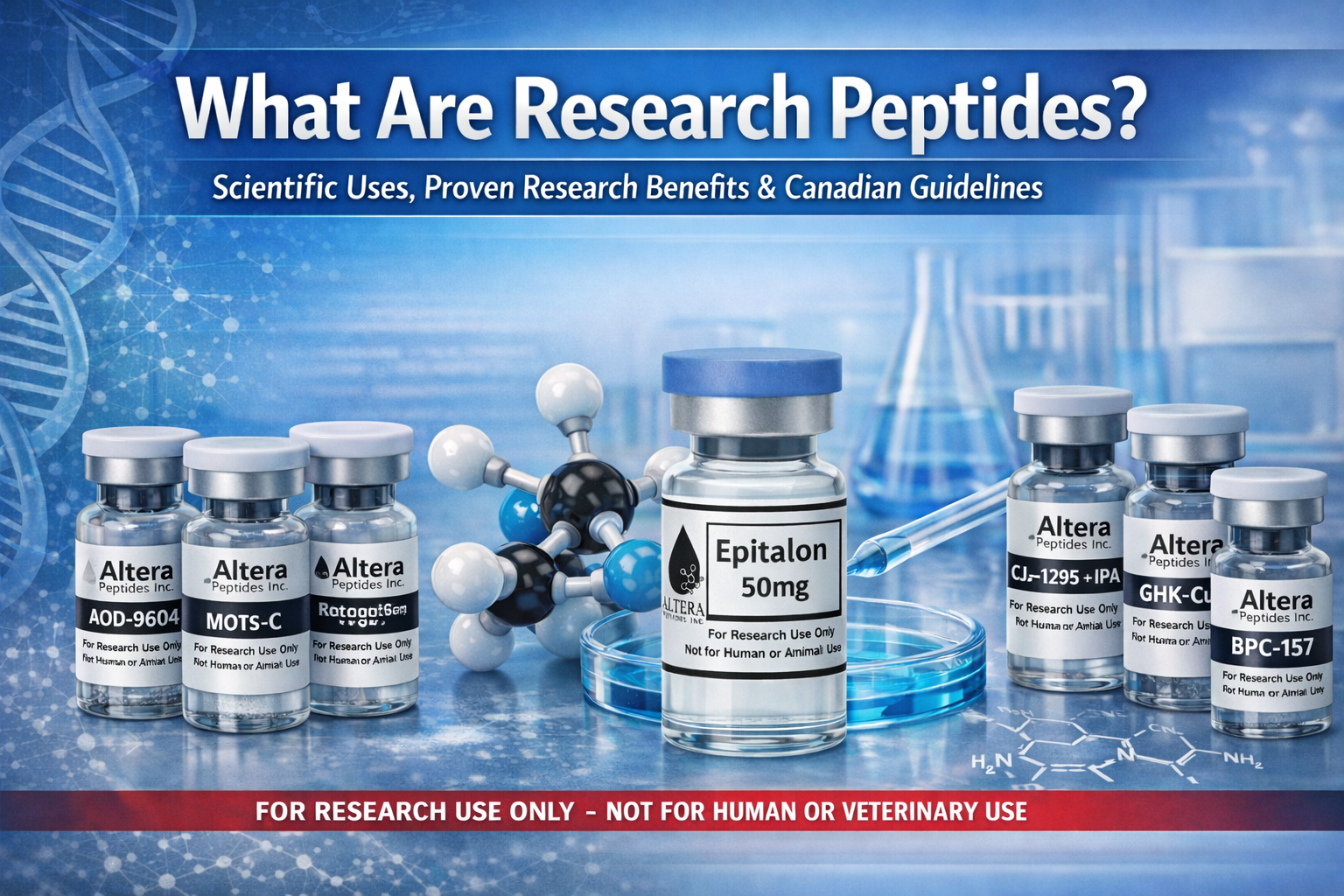
Peptide: Bpc-157 & Tb-500 In The Nest Tx BPC-157 is an artificial peptide composed of 15 amino acids, created to mimic the recovery properties of the human gastric juice protein BPC. Its special framework allows it to apply a plethora of valuable results on different cells and body organ systems within the body. BPC-157 (Body Protection Compound-157) is a peptide derived from human stomach juice. BPC-157 is made from 15 amino acids and has IGF-1 LR3 actually revealed prospective in accelerating recovery, promoting cells regrowth, and supporting total health. Doctor at leading clinical companies such as the Cleveland Facility currently make use of BPC-157 to treat people. In this component of the experiment, three male and three female beagles were checked out for four cycles.
Does BPC-157 help arthritis discomfort?
A peer-reviewed article (Lee et al., Different Therapies in Health And Wellness & & Medication, ~ 2021) describes: 12 clients with persistent knee pain. Treated with intra-articular BPC-157, usually combined with TB-500. 7 of 12 reported sign improvement lasting numerous months.
Bpc-157-- Recovery Support Peptide At Regenesismd
Nevertheless, the VEGF family and its receptors, consisting of VEGFR, have been discovered to be revealed in concerning half of the human cancers cells researched, such as ovarian cancer, melanoma, thyroid cancer, and a lot more [111,112,113,114] As BPC 157 offers a number of helpful impacts, a number of researches were carried out to get information on the probable device whereby the results are moderated. A lot of researches identify the pentadecapeptide as a substance that interacts with the nitric oxide (NO) system [23,41] In this context, it has been discovered to neutralize the negative effects of NG-nitro-L-arginine methyl ester (L-NAME), such as an ulcerogenic effect, and several of L-arginine [42,43,44] BPC 157 peptide treatment may support development elements such as vascular endothelial development factor, assisting to advertise muscle mass and ligament healing, increase healing from physical strain, and boost overall remediation and efficiency. Body-protective substance (BPC) 157 is a peptide separated from human stomach juice (Sikiric et al., 1993). BPC157 comprises 15 amino acids (Gly-Glu-Pro-Pro-Pro-Pro-Gly-Lys-Pro-Ala-Asp-Asp-Ala-Gly-Leu-Val) and has a molecular weight of 1419 Da. Additionally known as BPC-15, PL-10, PLD-116, or PL14736 (Keremi et al., 2009), BPC157 has actually demonstrated amazing capacity as a restorative representative for severe trauma and stress damages and can advertise the recovery of injuries, ligament injuries, ligament injuries, and fractures. Aside from its protective result versus several organ injuries, BPC157 has also shown cytoprotective (Sikiric et al., 2018) and anti-inflammatory buildings and contributes in keeping epithelial stability (Mota et al., 2018). Although the mechanism of activity of BPC157 continues to be vague, BPC157 has demonstrated substantial results at really low dosages with great stability (Sikiric et al., 2018).- A reader who believes evidence is being concealed seeks the cigarette smoking weapon.Preclinical researches have demonstrated no significant poisoning even at dosages much surpassing restorative arrays.In this context, BPC 157 has been revealed to be reliable in treating rat vesicovaginal fistulas, constant urine leakage with the vaginal canal, and bladder rocks [87][3H] BPC157 was quickly metabolized into a variety of small peptide pieces in vivo, thus forming solitary amino acids that got in typical amino acid metabolic process and excretion paths.Call us or click below to reserve your examination and return to doing what you like-- faster and more powerful.
Clinical Services
Actually, it was located that proline deposits situated one after another in a row highly avoid the so-called non-specific proteolysis [40] In contrast, peptides including asparagine (Asp) are a lot more vulnerable to dehydration. In view of this, numerous strategies to improve peptide stability have actually existed, including alterations of the C/N-terminus [34] and D-amino acid substitution [35] The latter can occur naturally, such as the opioid peptide dermorphin isolated from frog skin, peptidoglycans of some microorganisms, or poison peptides-- conotoxins consisting of D-tryptophan (D-Trp), D-leucine (D-Leu), and so on. [36] Our previous job has actually shown that IM injection of prototype BPC157 can efficiently promote injury recovery, and we intend to carry out medical trials checking out BPC157 for the treatment of serious trauma and burns in China. Nonetheless, prolonging the half-life of BPC157 and more improving its pharmacokinetic features are important instructions for the future growth of this Tissue Research drug. In fact, in a poisoning research in Sprague-Dawley rats conducted with a solitary dose of 20 mg/kg (intramuscular, i.m.) of pentadecapeptide, no deaths or apparent abnormalities in body weight, food intake, or behavior were reported. A 28-day administration of BPC 157 (4, 1, or 0.2 mg/kg/day, i.m.) in rats and (2, 0.5, or 0.1 mg/kg/day) in beagle dogs likewise resulted in no obvious changes as contrasted to saline-treated pets. In my practice, people getting PRP or stem cell injections for complicated musculoskeletal conditions are regularly used concurrent BPC-157 to make best use of outcomes. Scientific monitorings recommend this combination increases outcomes by 30-50% contrasted to either therapy alone. For musculoskeletal applications, BPC-157 is generally carried out by means of subcutaneous injection near the injury site. This method makes certain high regional concentrations where recovery is required most. The AOSSM Quit Sports Injury Working Group is devoted to informing sporting activities medicine doctors. Although the appropriate growth of the vascular network makes it possible for gas exchange and transportation of metabolic items in the body organs, angiogenesis additionally happens in several pathological conditions [107] This also applies to cancer cells, as the formation of blood vessels during carcinogenesis allows oxygen supply to the growth and boosts its spreading, diffusion, and transition [108,109,110] Significantly, it has been reported that the pentadecapeptide impacts signaling of one of the vital angiogenic factors, the vascular endothelial development element and its receptors (VEGFR). Indeed, BPC 157 raised expression of the VEGFR-2 receptor in rats with back arm or leg anemia and in endothelial cell societies [14,111] The mean (+ SD) plasma focus of BPC157 versus time curves complying with administration of different BPC157 dosages in rats are received Numbers 1A-- C, and the corresponding pharmacokinetic parameters exist in Tables 1-- Tables 3. After a single IV administration, BPC157 was quickly removed from the plasma of rats, and the typical removal half-life (t1/2) was 15.2 min. The typical area under the plasma concentration-time curve (AUC0-- t) was 399 ng min/ml. After solitary IM managements of doses 20, 100, or 500 μg/ kg, the peak time (Tmax) of each dosage was 3 minutes. The maximum concentrations (Cmax) of each dose were 12.3, 48.9, and 141 ng/ml, specifically, and the AUC0-- t worths were 75.1, 289, and 1930 ng min/ml, respectively. Those antibodies might make future doses much less effective, enhance the risk of future responses, or, in some therapeutic healthy proteins, interfere with associated all-natural healthy proteins in the body. Decision of metabolites was one of the most tough aspect of this study. The metabolic rate of peptides and healthy proteins typically starts from the activity of endopeptidase and then undergoes multi-step chemical degradation to create the final metabolite amino acids, which get in the amino acid pool in vivo (Vugmeyster et al., 2012). In rat plasma, we recognized six contaminated elements, along with the prototype [3H] BPC157, and their structures were anticipated by LC-MS/MS molecular weight identification and contrast with requirements. Through the analysis of feasible hydrolysis websites, we forecasted the metabolic procedure of BPC157 and showed that BPC157 was lastly metabolized right into a solitary amino acid, represented by [3H] proline, in plasma, pee, and feces. These outcomes reveal that BPC157 complies with the metabolic procedure of peptide medicines, even more showing its metabolic safety and security. But a lot of the "wellness peptides" currently marketed online or via cash-only centers are unauthorized speculative materials with little to no human proof. They are frequently mislabeled, compounded without oversight, and often polluted. Discover the recovery possibility of BPC 157 peptide treatment with skilled treatment.